
Complete CNC Spindle Selection Guide: Choose the Right Spindle for Your Machining Needs
A high-performance spindle is the core component of CNC machine tools, directly determining machining accuracy, efficiency, surface finish, and equipment service life. Choosing a mismatched spindle will lead to poor cutting quality, low production efficiency, severe tool wear, and even frequent equipment failures. To help manufacturers and processing enterprises select the most suitable spindle quickly and accurately, Zhongshan City Fumida Automation Equipment Co.,Ltd. has summarized a comprehensive and practical CNC spindle selection guide covering material adaptability, machine application, processing technology, spindle specifications, and auxiliary performance factors.
1. Select Spindles Based on Machining Materials
Different workpiece materials have distinct hardness, density and cutting resistance, requiring matched spindle speed and torque parameters, which is the primary principle of spindle selection.
Hard metal processing (stainless steel, alloy steel, iron castings): These materials feature high hardness and strong cutting resistance. High torque output is the core requirement to avoid stalling, chattering and tool burning during heavy cutting. Low-speed and high-torque spindles are highly recommended to ensure stable cutting force and improve processing efficiency.
Soft metal processing (copper, aluminum, magnesium alloy): Soft metals are easy to cut but require excellent surface finish. High-speed spindles are ideal for these materials. Ultra-high rotating speed realizes fine cutting, effectively reduces burrs, and delivers smooth workpiece surfaces, which perfectly meets the requirements of precision finishing of soft metals.
Stone and special hard brittle materials (marble, granite): Stone processing involves large cutting volume and strong impact resistance requirements. Ordinary high-speed spindles cannot bear continuous heavy-load cutting. It is necessary to select high-rigidity and high-torque spindles with sufficient load capacity to adapt to long-term and high-intensity stone cutting and carving work.
2. Select Spindles According to Machine Tool Application Scenarios
Different types of CNC equipment have different working characteristics, and the matched spindle transmission mode is also different. Reasonable matching can maximize machine tool performance.
Engraving machines and precision carving equipment: Such equipment focuses on high-speed fine processing, small cutting depth and high finish requirements. High-speed electric spindles are the best choice, featuring no transmission gap, stable high-speed operation, low vibration, and outstanding precision for fine engraving, micro-cutting and surface finishing.
Metal machining centers and conventional milling machines: Metal processing includes rough cutting, semi-finishing and finishing with diverse processing demands. Belt-driven spindles and direct-connected spindles are preferred. These two types of spindles balance torque, speed and rigidity, and are compatible with most metal milling, drilling and tapping processes, with strong comprehensive applicability.
3. Key Technical Reminder: Rigid Tapping Process Limitation
This is a critical selection detail easily ignored by most users. Electric spindles cannot realize rigid tapping due to their structural characteristics and transmission principle, which cannot meet the synchronous speed and torque feedback requirements of rigid tapping.
For working conditions requiring rigid tapping (common in thread processing of hardware parts, mold parts and mechanical components), users must choosebelt-driven spindles or direct-connected spindles. These spindles have stable mechanical transmission performance, accurate speed synchronization and strong impact resistance, ensuring qualified thread processing accuracy and yield.
4. Select Spindle Specifications Based on Cutting Load and Production Scale
Spindle taper specifications determine the spindle’s load capacity, rigidity and processing range. Users can select BT series spindles according to actual cutting load and production batch.
Light cutting and small-batch processing (small factories and workshop production): BT30 spindle is sufficient for daily demands. It features light weight, fast speed response, flexible operation and cost-effective performance, fully adapting to small-scale precision milling, drilling and conventional finishing of small workpieces.
Heavy cutting and large-load processing (mold processing, mechanical parts roughing): Heavy cutting requires strong spindle rigidity and load-bearing capacity. BT40 and BT50 large spindles are mandatory. They have excellent structural stability, strong torque output and anti-deformation ability, which can maintain long-term stable operation under heavy load and avoid processing deformation and precision loss.
Stone and large workpiece processing: Due to the large cutting resistance and continuous impact load in stone processing, BT40 and BT50 high-torque and high-rigidity spindles are uniformly matched to ensure equipment stability and processing consistency in high-intensity working conditions.
5. Core Performance Factors: Rigidity, Vibration, Cooling and Heat Dissipation
Speed, torque and specification are the basic parameters, while rigidity, vibration resistance and heat dissipation performance determine the spindle’s long-term stability and service life.
Spindle rigidity: High-rigidity spindles can resist cutting impact and mechanical deformation, effectively avoid workpiece dimensional deviation and tool vibration lines, and guarantee long-term processing precision stability, especially critical for heavy cutting and precision mold processing.
Vibration control: Low-vibration operation is the key to high-finish processing. Excessive spindle vibration will cause workpiece surface roughness failure and shorten tool life. Qualified industrial spindles must maintain low-amplitude vibration at both high speed and low speed.
Cooling and heat dissipation system: Long-term continuous operation of the spindle will generate a lot of heat. Unreasonable heat dissipation will lead to thermal deformation, precision attenuation and even spindle burnout. Air-cooled spindles are suitable for intermittent short-time processing with convenient maintenance; water-cooled spindles feature better constant temperature effect and are more suitable for long-time continuous mass production.
6. Supplementary Key Selection Factors (Professional Upgrade Tips)
On the basis of conventional selection, Zhongshan City Fumida Automation Equipment Co.,Ltd. summarizes multiple hidden key factors to help users avoid selection mistakes and improve equipment cost performance:
6.1 Protection grade and environmental adaptability: Different processing environments have different requirements for spindle dustproof and waterproof performance. Stone processing, casting processing and wet cutting environments require spindles with high IP protection grade to prevent dust, iron filings and cooling liquid from entering the spindle interior, avoiding bearing damage and precision failure.
6.2 Power curve and constant torque/constant speed range: Many users only focus on the maximum speed and power, ignoring the actual effective working range. It is necessary to select a spindle with a reasonable constant torque range according to conventional processing speed, to ensure stable cutting force in daily working speed and avoid insufficient power in actual processing.
6.3 Tool change accuracy and repeat positioning accuracy: For batch automated production, the spindle’s tool runout accuracy and repeated positioning accuracy directly affect product consistency. High-precision spindles can reduce tool jumping errors and ensure zero deviation of batch processing dimensions.
6.4 Service life and maintenance cost: Spindle bearing configuration, structural design and assembly process determine later maintenance frequency and cost. Industrial-grade spindles with high-quality bearings and integrated rigid structure have lower failure rates, longer service life and lower comprehensive use cost.
6.5 Equipment compatibility: Before selection, confirm the installation size, power parameters, interface specification and stroke matching of the spindle and the original machine tool, to avoid installation failure or performance mismatch caused by size and parameter incompatibility.
Conclusion
CNC spindle selection is a systematic work that needs comprehensive consideration of processing materials, process requirements, equipment types, cutting loads and environmental factors. Blind pursuit of high speed or large torque will only result in resource waste or processing failure.
As a professional automation equipment supplier, Zhongshan City Fumida Automation Equipment Co.,Ltd. provides one-stop spindle selection solutions. We match the most cost-effective spindle products according to customers’ actual processing scenarios, help each enterprise realize efficient, stable and low-cost CNC processing, and create greater production value for users.
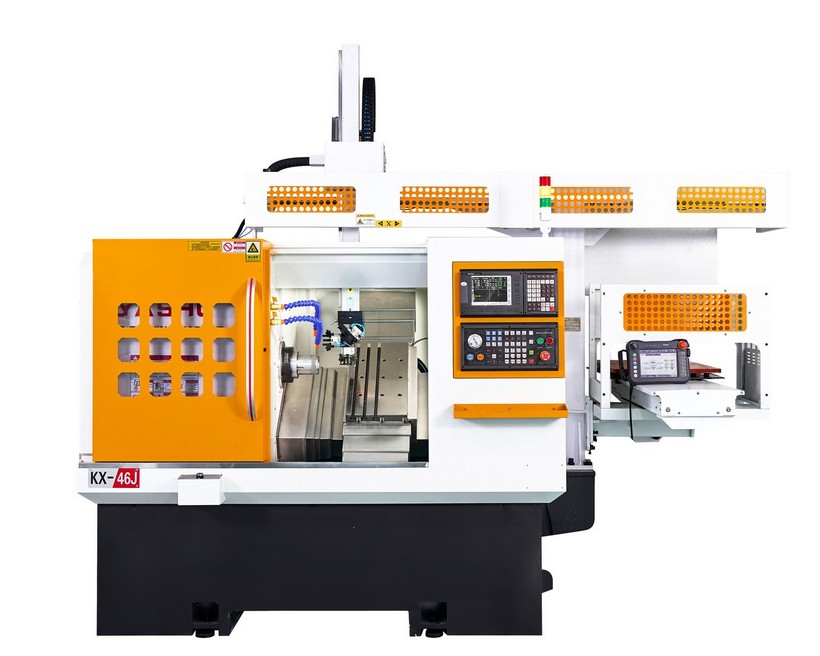 Application Tutorial: High-Efficiency Manufacturing of Valve Fittings Using CNC Mill-Turn Machines, Indexing Chucks, and Robotics
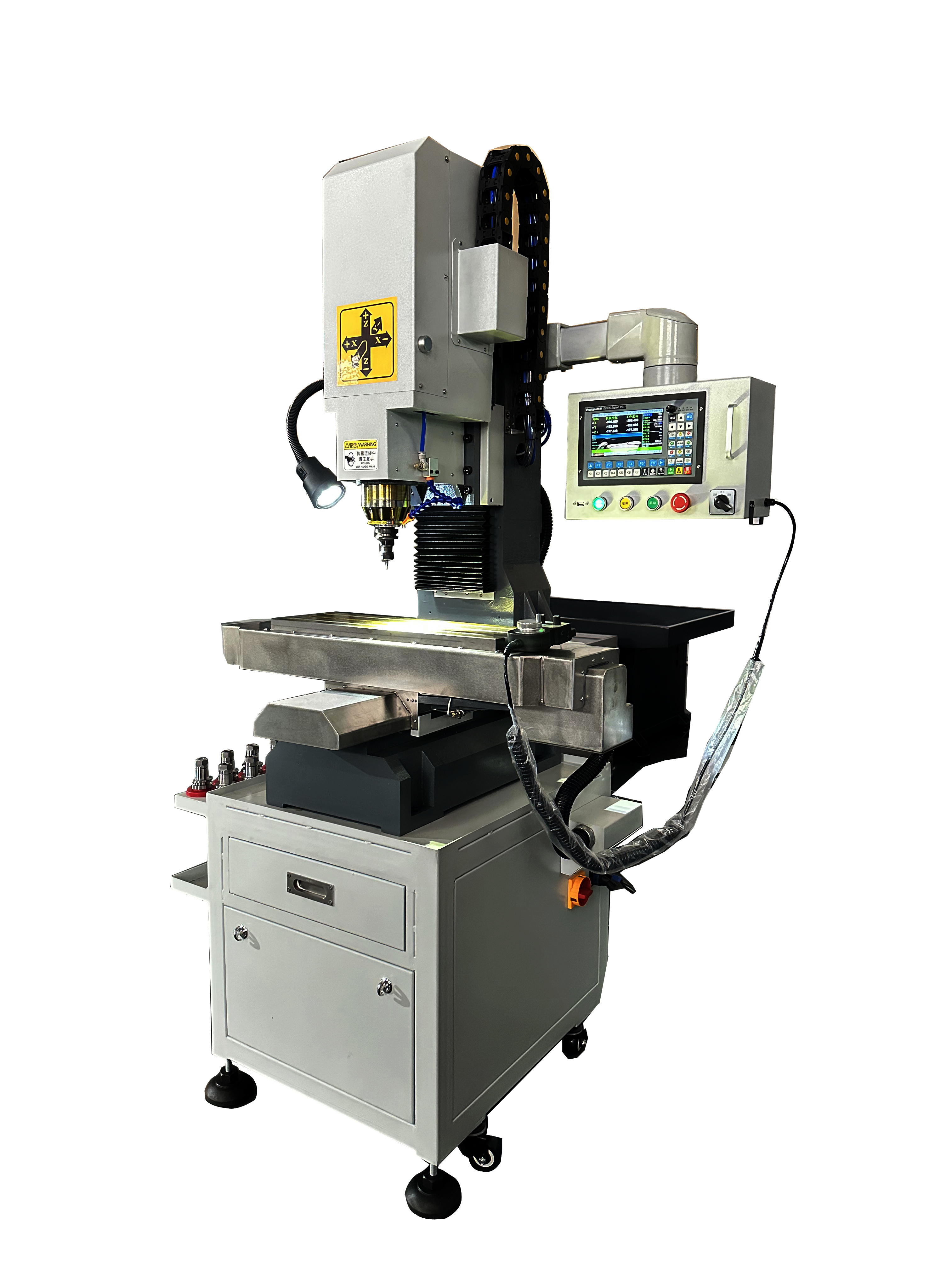 The Growing Role of Small CNC Milling Machines in Automotive and Motorcycle Parts Manufacturing: A Focus on Emerging Markets
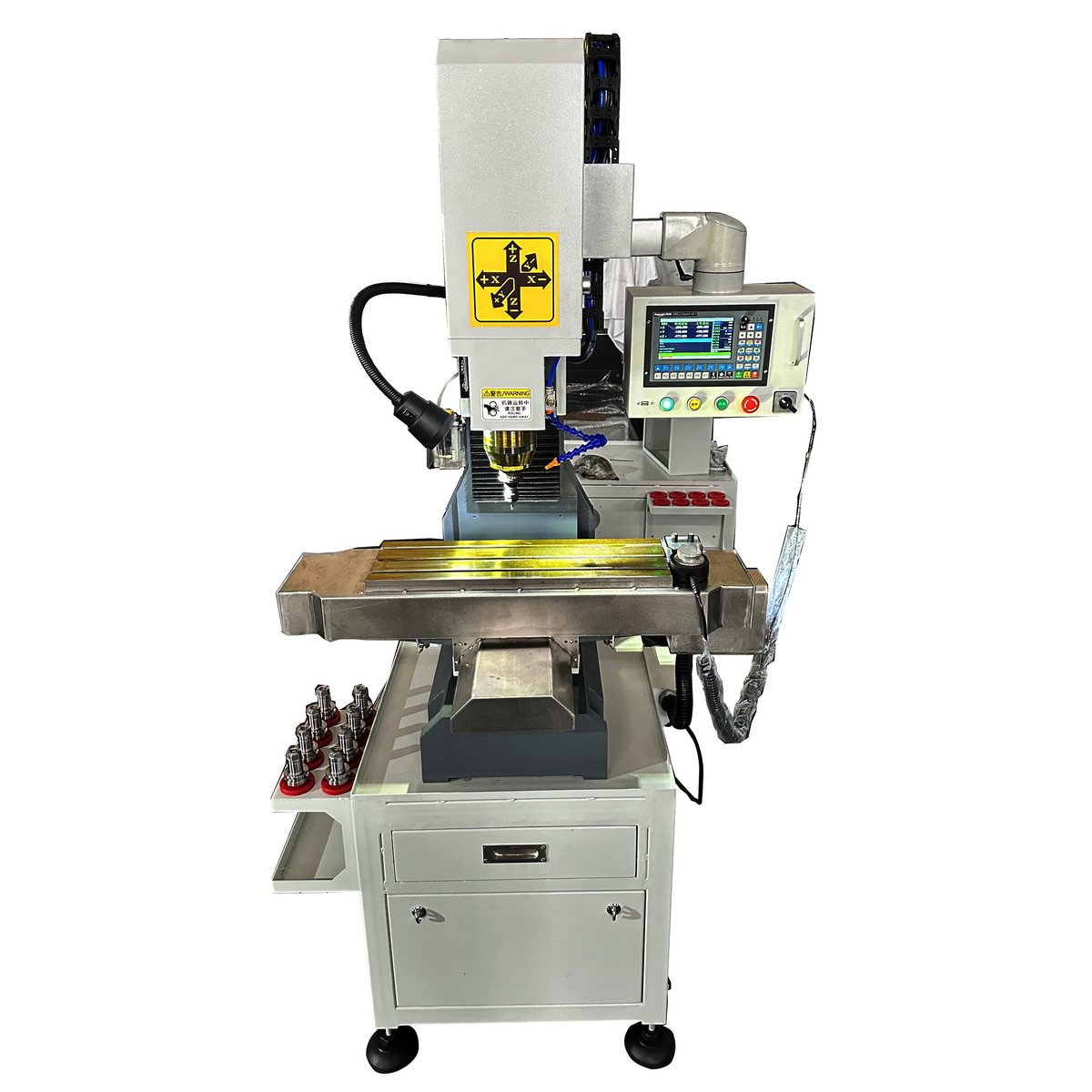 CNC Machining Center X/Y Axis Drifting (Z Axis Correct) – Step-by-Step Troubleshooting Guide
Please contact us with your request
We are ready to answer your questions.