
How to Choose a CNC Machine Frame
The machine frame is the structural backbone of every CNC machine tool. Its rigidity, geometric accuracy and long-term stability directly determine the machining precision, surface finish
and service life of the entire equipment. Many buyers focus narrowly on spindle power, control systems or tool changers, but overlook that a poorly manufactured frame will cause gradual precision loss,
vibration chatter and frequent calibration — even with top-tier components. For manufacturers investing in vertical machining centers, CNC lathes or gantry mills, selecting a high-quality frame is the first step to securing consistent production performance.
Below is a professional guide to evaluating CNC machine frames from four core aspects: casting technology, structural optimization design, stress relief aging and precision machining. 1. Casting Process: The Root of Structural Rigidity The frame’s mechanical properties begin at the foundry. Material selection and casting quality set the upper limit of rigidity and vibration damping. Cast iron material grade Almost all high-performance CNC frames use gray cast iron (typically HT250 / HT300 in Chinese standard, or Grade 250 / Grade 300 internationally).
Gray cast iron has unmatched advantages over steel weldments: - Excellent vibration damping capacity, which reduces cutting chatter and improves surface finish - High compressive strength and dimensional stability under load - Good wear resistance and thermal conductivity - Low manufacturing cost for complex internal rib structures Premium machines may use Meehanite cast iron or alloy cast iron for higher tensile strength and uniform material properties. At Zhongshan City Fumida Automation Equipment Co., Ltd.,
all standard VMC and CK-series frames adopt HT300 high-grade gray iron with strict metallographic inspection, ensuring consistent hardness and graphite distribution. Casting method - Resin sand casting is the mainstream process for precision machine frames. It produces smoother surfaces, more accurate dimensions and denser internal structure compared to traditional green sand casting,
reducing internal porosity and shrinkage defects. - Integral casting vs. welded assembly: Integrally cast bases and columns deliver far better rigidity and damping than bolted or welded steel structures.
Fumida adopts full integral casting for major structural parts (bed, column, saddle, table) to eliminate assembly gaps and long-term loosening risks. 2. Structural Optimization Design: Scientifically Boost Rigidity and Dynamic Performance A high-quality frame does not rely on simply thickening walls and adding weight. Advanced structural optimization design is the core to achieving high rigidity, low vibration
and excellent thermal stability on the premise of reasonable weight. FEA-driven topology and rib structure optimization Professional CNC machine manufacturers all use finite element analysis (FEA) to simulate static stiffness, dynamic characteristics and modal frequency of the frame at the design stage.
Through topology optimization, materials are concentrated in high-stress areas while redundant weight is removed, achieving the best strength-to-weight ratio. For internal rib structures, different layouts are adopted for different components: - Bed and base: Grid-type and honeycomb rib structures are used to comprehensively improve bending and torsional rigidity, and evenly transmit cutting force and workpiece weight to the foundation. - Column and saddle: X-shaped and diagonal reinforcing ribs are arranged to resist the overturning moment generated during high-feed movement and heavy cutting,
and reduce micro-deformation of the spindle end. Fumida’s R&D team performs multi-condition FEA simulation for each model of frame, and iteratively optimizes the rib layout and wall thickness distribution,
ensuring that the first-order natural frequency of the whole machine avoids the common vibration frequency band of cutting, and significantly suppresses chatter. Thermally symmetric structural design Thermal deformation is one of the main causes of precision drift during long-term operation of machine tools. A well-designed frame adopts a thermally symmetric structure,
so that the heat generated by the spindle, ball screw and guide rail is conducted and dissipated uniformly on both sides of the frame, and the thermal expansion amount is offset symmetrically,
thereby reducing the offset of the spindle center in the X/Y/Z directions. At the same time, reasonable heat dissipation ribs and isolation cavities are designed inside the frame to block the direct conduction of cutting heat and hydraulic oil heat to key reference surfaces.
Fumida has applied thermally symmetric design to all medium and high-end models, effectively improving the precision retention under continuous 8-hour and 24-hour processing. Integrated mounting surface design High-quality frames adopt an **integrated casting design** for key assembly reference surfaces such as linear guide mounting seats, ball screw bearing seats and spindle box mounting surfaces,
instead of assembling split parts by bolts. The integrated structure eliminates assembly gaps and bolt loosening risks, and ensures continuous and stable rigidity of the transmission chain. In addition, the width and spacing of the guide rails are also optimized through calculation. A wider guide rail span can significantly improve the overturning resistance of the moving parts.
Fumida adopts a wide-span double-track layout for all heavy-cutting models to match the high-load processing requirements. 3. Aging Treatment: Guarantee Long-Term Accuracy Stability Cast iron frames inevitably retain large internal residual stress after cooling. Without proper stress relief, the frame will slowly deform during use, causing geometric accuracy to drift within 1–2 years.
Aging treatment is the decisive process for long-term stability. Common aging methods 1. Natural aging Placing rough castings outdoors for 6–12 months allows stress to release naturally through temperature changes. It delivers the most stable results but has a very long production cycle.
Very few manufacturers still insist on full natural aging due to cost and inventory pressure. 2. Thermal aging (artificial stress relief annealing) The casting is heated to about 500–550 °C, held for several hours, then slowly cooled. This eliminates 80–90% of residual stress efficiently. It is the most widely used industrial method.
High-standard manufacturers perform two-stage thermal aging: once after rough casting, and a second time after rough machining, to release new stress generated by cutting. 3. Vibration stress relief (VSR) High-frequency vibration excites the workpiece to release internal stress. It is fast, low-cost and suitable for extra-large castings, but less thorough than thermal aging.
It is often used as a supplementary process. Fumida’s standard aging process At Fumida, every frame undergoes primary thermal aging after casting + secondary thermal aging after rough machining, supplemented by vibration aging before finishing.
This dual stress-relief process ensures that geometric accuracy remains stable for years, minimizing the need for frequent re-calibration on the customer’s shop floor. 4. Precision Machining: Achieve Micron-Level Geometric Accuracy Even a perfectly cast and aged frame will fail if machined poorly. The final geometric precision depends entirely on machining equipment, process flow and craftsmanship. Machining equipment and one-setup strategy Large-scale five-face gantry machining centers with high positioning accuracy are essential. The ideal process is to complete all main surfaces — guide rail mounting faces, ball screw seats,
spindle head mounting faces — in a single clamping setup. This avoids re-clamping errors and ensures the best perpendicularity and parallelism between axes. Fumida is equipped with high-precision gantry boring and milling machines and CNC guideway grinders, performing one-setup finish machining on all critical assembly surfaces, strictly controlling flatness,
parallelism and perpendicularity within micron tolerances. Grinding and hand scraping For linear guide mounting surfaces and slideway surfaces, precision grinding is the basic requirement. For higher-end box-way machines, manual hand scraping is still irreplaceable.
Skilled technicians scrape the contact surface point by point, achieving 10–16 contact points per square inch, uniform oil film distribution and zero-fit clearance. This traditional craftsmanship
directly improves motion smoothness and accuracy retention. Final inspection A qualified frame must pass full geometric inspection before assembly — including flatness of the bed, verticality of the column, parallelism of the guide rails and positional accuracy of screw bearing seats.
Fumida performs 100% full inspection with laser interferometers and precision levels, and retains inspection reports for traceability. 5. Other Key Factors for Frame Selection - Structure type: C-frame vertical machines offer good operability for small and medium parts; gantry-type frames provide higher rigidity for large workpieces.
Choose according to your typical workpiece size and cutting load. - Base mounting design: Wider support feet and more anchor bolt points improve overall stability under heavy cutting. - Chip and coolant management: Well-designed internal chip flushing channels and sealed structures prevent coolant from penetrating the casting and causing long-term corrosion. - Surface protection: Standard epoxy primer + finish painting provides rust resistance; important mating surfaces should have anti-rust treatment before delivery. Why Choose Frames from Zhongshan City Fumida Automation Equipment Co., Ltd.? Fumida specializes in the R&D and production of high-rigidity CNC machine tools, with full control over the entire process from structural design, casting, aging,
machining to final assembly. Our frames feature: - FEA-optimized topology and thermally symmetric rib structure for excellent static and dynamic rigidity - HT300 grade resin sand cast iron with integral casting process - Double thermal aging + vibration stress relief for outstanding long-term stability - One-setup five-face gantry machining + precision grinding for micron-level geometric accuracy - Strict full-inspection procedure before assembly - Full compatibility with FANUC, Siemens, GSK and other mainstream control systems Whether you need a complete VMC vertical machining center, CK slant-bed lathe, or custom frame solutions for special machine building, Fumida delivers industrial-grade rigidity and precision you can rely on. Final Takeaways When evaluating a CNC machine frame, always dig into four questions: **what material and casting process, whether scientific structural optimization design is adopted, how many aging procedures,
and what machining equipment and tolerances. A frame built with high-standard design, casting, thorough stress relief and precision machining may cost slightly more upfront, but it saves far more in downtime,
rework and replacement over its 10+ year service life. For professional advice on CNC machine frame selection and custom solutions, feel free to contact the engineering team at Zhongshan City Fumida Automation Equipment Co., Ltd.
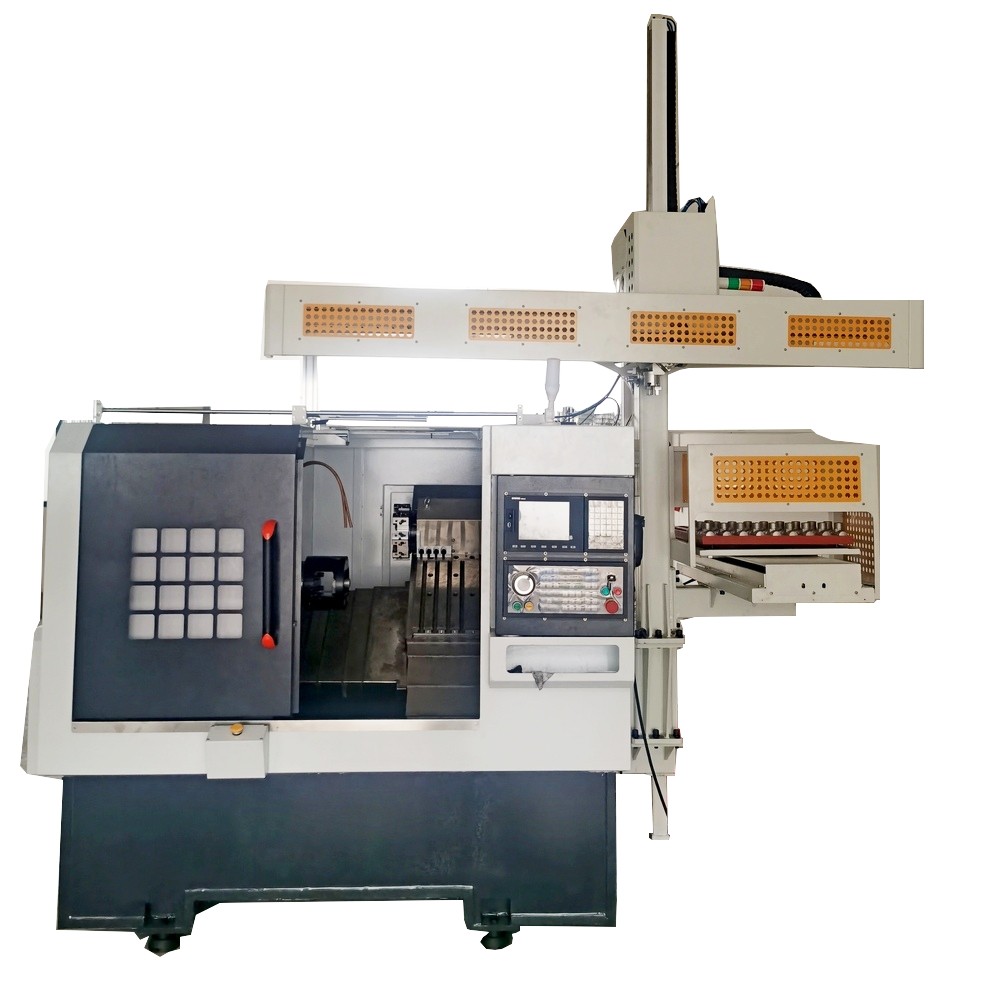 How to Choose a CNC System: Complete Buyer’s Guide for 2026
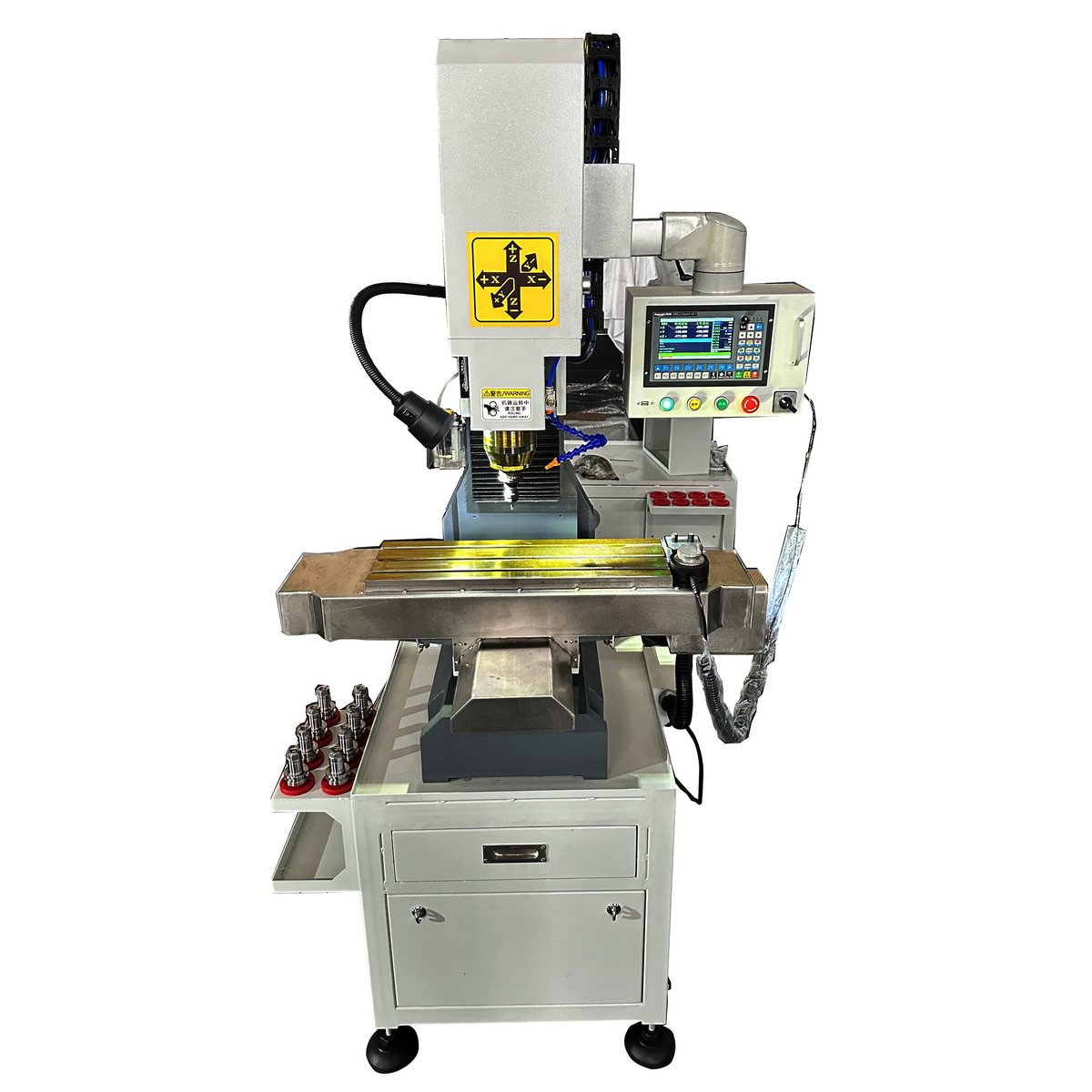 High Precision CNC Machines & Small Machining Centers | Fumida Automation
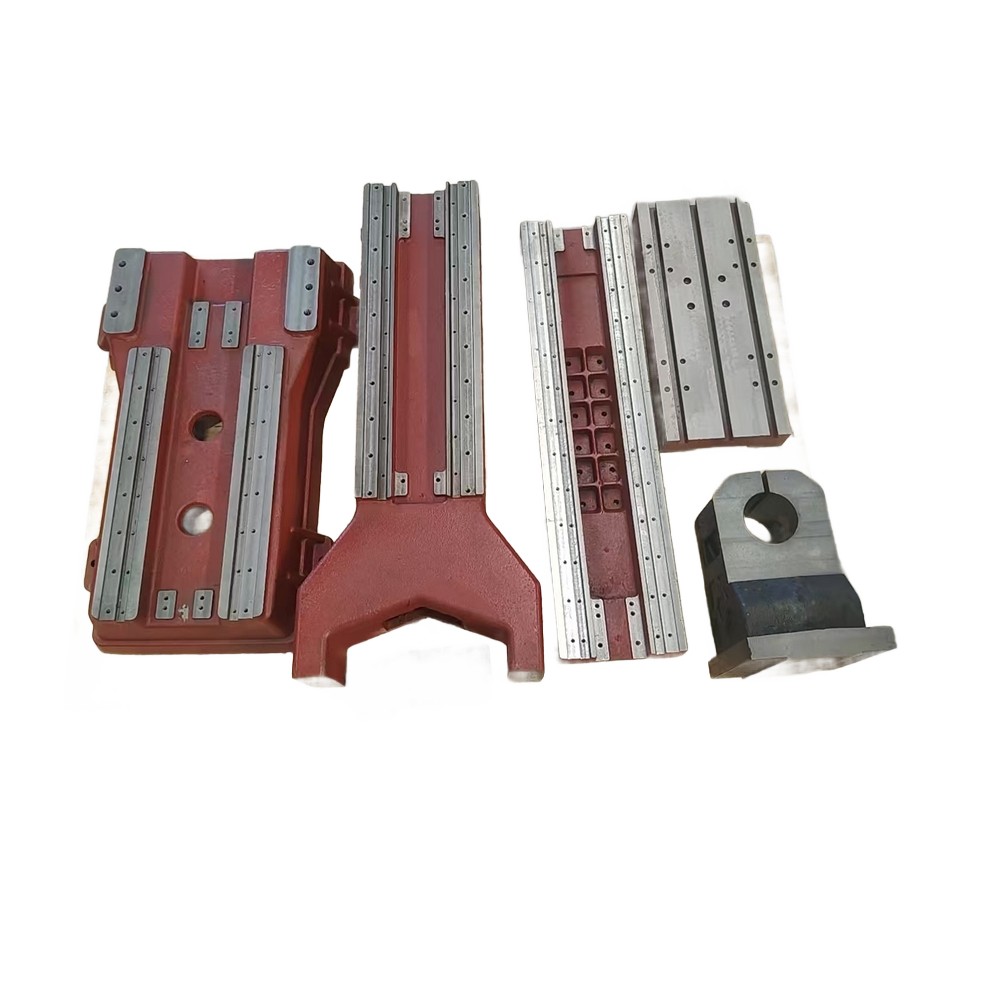 How to Choose a CNC Machine Frame
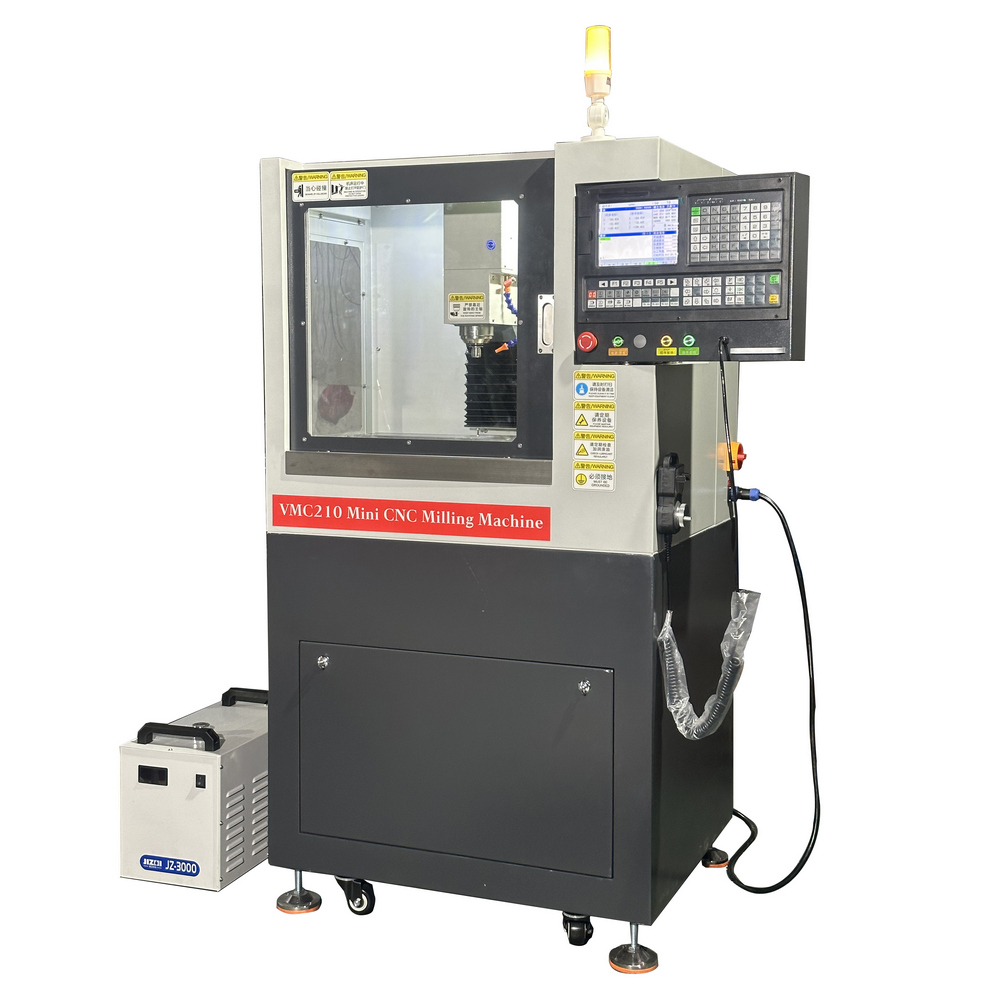 The Application of Small CNC Milling Machines in the Gold Jewelry Industry
Please contact us with your request
We are ready to answer your questions.