
VMC430 Small CNC Milling Machine Tool Setting Operation Skills
Views :
0
Update time : 2026-07-27 06:06:57
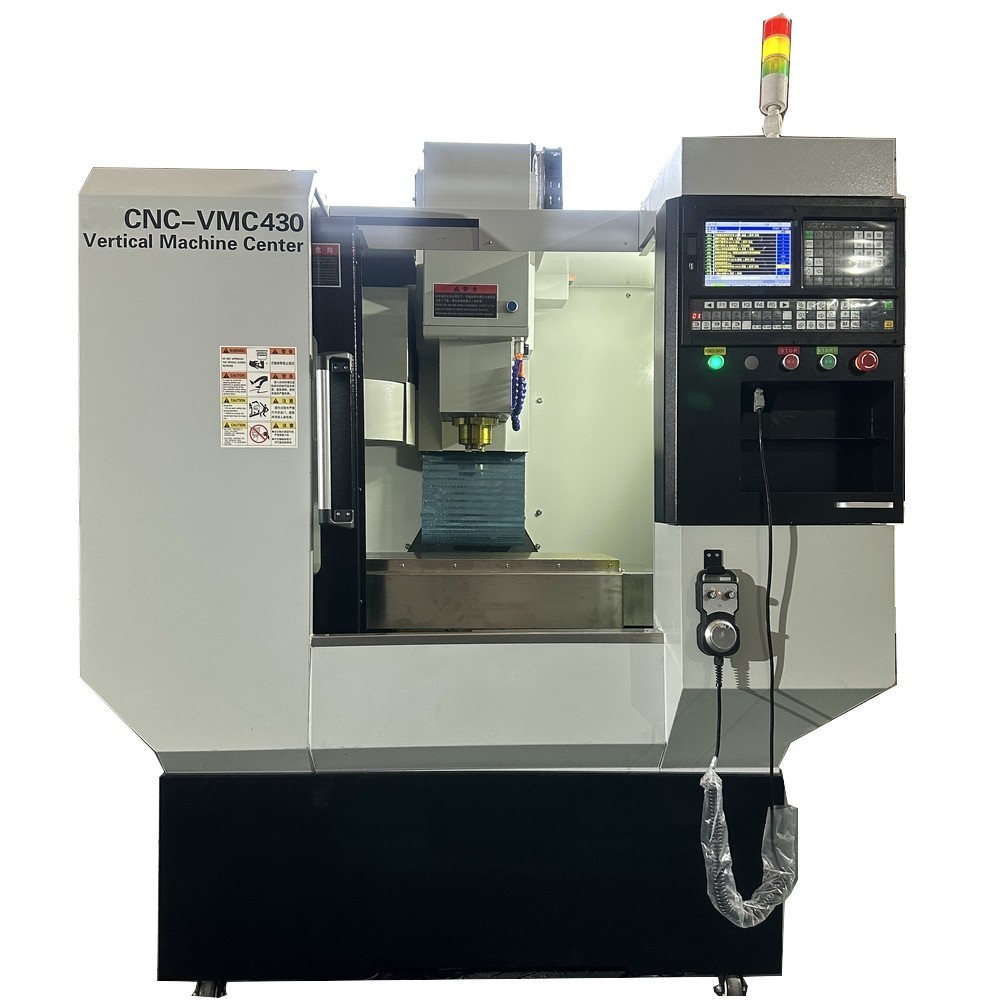
VMC430 small CNC milling machine is a high-precision, compact vertical machining center widely used in precision parts processing, mold manufacturing, and small batch production. Standard and accurate tool setting is the core premise to ensure machining dimensional accuracy, avoid tool collision and workpiece scrapping. Based on years of equipment R&D, production and after-sales service experience, Zhongshan City Fumida Automation Equipment Co.,Ltd summarizes professional, efficient and error-proof tool setting operation skills for VMC430 small CNC milling machines, covering complete operation steps, key essentials, common mistakes, error prevention methods and rapid tool setting skills, to help operators improve processing efficiency and machining stability.
1. Complete Tool Setting Operation Steps for VMC430 CNC Milling Machine
The tool setting of VMC430 small CNC milling machine is divided into workpiece coordinate setting (X/Y axis tool setting) and tool length offset setting (Z axis tool setting). The whole process follows the sequence of pre-operation preparation, machine zero return, X/Y axis edge finding, Z axis length measurement, parameter input and verification test, with standardized steps as follows:
1.1 Pre-operation Preparation
First, turn on the total power supply of the equipment and start the CNC control system, wait for the system to initialize completely. Check the operating status of the VMC430 spindle, guide rail, tool setter and fixture to ensure no foreign matter on the worktable, smooth guide rail movement and normal tool setter induction. Install the required milling cutter on the spindle and clamp the workpiece firmly on the worktable fixture to avoid loose displacement during tool setting and processing.
1.2 Machine Zero Return Calibration
Switch the VMC430 system to the zero return mode, and sequentially perform zero return operation on X, Y, and Z axes. After the zero return indicator lights up, confirm that each axis returns to the mechanical origin accurately. This step is the basis of all coordinate calculations. Zhongshan City Fumida Automation Equipment Co.,Ltd reminds that zero return operation must be completed before each formal tool setting, especially after equipment restart, emergency stop and axis collision.
1.3 X/Y Axis Workpiece Coordinate Tool Setting (Edge Finding)
Switch the equipment to manual jog mode, install a precision edge finder on the spindle, and set a low spindle rotation speed (800–1200r/min). Slowly jog the X-axis to make the edge finder close to the workpiece side wall, fine-tune the feed rate until the edge finder jumps and aligns, immediately stop the axis movement, record the current machine coordinate value, and clear the relative coordinate.
Lift the Z-axis appropriately, move the X-axis to the other side of the workpiece, repeat the above edge finding action, record the coordinate data, calculate the workpiece center or zero-point offset value according to the workpiece size, and input the accurate data into the G54–G59 workpiece coordinate system of the VMC430 system. The Y-axis tool setting operation is consistent with the X-axis, ensuring the workpiece origin is calibrated accurately.
1.4 Z Axis Tool Length Offset Tool Setting
Place a high-precision Z-axis tool setter stably on the blank area of the workpiece or worktable. Jog the spindle to move down slowly, make the tool tip approach the tool setter induction surface gradually. When the tool setter sends out an induction signal (light or sound prompt), stop the Z-axis movement immediately. The system will automatically capture the Z-axis coordinate value, or manually record the data and input it into the corresponding tool length offset H code of the system, complete the tool length calibration, and set the safe Z-axis lifting height.
1.5 Tool Setting Verification
After all parameter inputs are completed, switch the VMC430 machine to single-block operation mode, execute empty stroke simulation without cutting. Check whether the axis movement trajectory is consistent with the programming path, confirm no coordinate deviation or interference risk, and complete the whole tool setting process after verifying that the dimensional offset data is correct.
2. Core Operation Essentials of VMC430 Tool Setting
Aiming at the compact structure and high-precision processing characteristics of VMC430 small CNC milling machine, Zhongshan City Fumida Automation Equipment Co.,Ltd summarizes the key essentials of standardized tool setting to ensure high precision and repeatability:
- Speed and Feed Control Essentials: In the process of edge finding and Z-axis tool setting, low feed jogging must be adopted in the final approaching stage. Fast feed is prohibited to prevent tool extrusion deformation and workpiece surface scratching. The spindle speed of edge finder is controlled stably at 800–1200r/min, neither too fast to cause vibration nor too slow to affect edge finding accuracy.
- Data Recording Essentials: All coordinate data must be recorded immediately after axis positioning, and the relative coordinates must be cleared in time to avoid data confusion caused by cumulative offset. When inputting G54-G59 coordinates and tool length offset values, secondary manual verification is required to prevent input errors of single digit and decimal point.
- Equipment Stability Essentials: Tool setting must be carried out in a static and stable equipment state. It is forbidden to adjust the fixture, workpiece and machine vibration during tool setting. The tool setter must be placed horizontally and firmly, and no offset or shaking is allowed, otherwise the Z-axis tool setting error will be directly caused.
- Tool Clamping Essentials: The tool shank must be cleaned before tool installation to remove iron filings and oil stains, ensuring firm clamping and no tool shaking. Loose tool clamping will lead to inconsistent tool setting data and serious dimensional deviation in subsequent processing.
- Safe Operation Essentials: Always set a safe Z-axis stroke during tool setting to avoid direct collision between the spindle and the worktable, fixture or workpiece. After tool setting, reserve a reasonable processing margin according to the workpiece process requirements.
3. Common Tool Setting Mistakes & Hazards
In the actual operation of VMC430 small CNC milling machine, most processing errors and equipment failures are caused by non-standard tool setting. Combined with after-sales maintenance data, Zhongshan City Fumida Automation Equipment Co.,Ltd sorts out the most frequent common mistakes:
- Missing Mechanical Zero Return: Operators directly set tools without zero return after starting up, resulting in the system unable to identify the mechanical reference origin, leading to overall coordinate deviation and batch processing dimensional error.
- Improper Edge Finding Operation: Excessive feed speed when approaching the workpiece causes the edge finder to deform or jump inaccurately; unilateral edge finding without size calibration leads to workpiece origin offset and asymmetric processing size.
- Z-axis Tool Setting Data Error: The tool setter is placed unevenly or with residual iron filings on the surface, resulting in inaccurate induction height; forgetting to update the tool length offset after tool replacement, causing too deep or too shallow cutting depth.
- Wrong Parameter Input: Mixing up G54-G59 coordinate systems or H-code offset values, inputting wrong decimal data, resulting in tool collision, workpiece over-cutting or processing scrapping.
- Omission of Tool Setting Verification: Formal processing directly after tool setting without empty stroke simulation, unable to find hidden coordinate errors, which is the main cause of tool collision and equipment damage.
- Unstable Workpiece Clamping: The workpiece is not clamped firmly before tool setting, and slight displacement occurs during edge finding, resulting in inconsistent tool setting datum and actual processing datum.
4. Professional Error Prevention Methods
For the above common tool setting problems, Zhongshan City Fumida Automation Equipment Co.,Ltd provides targeted error-proof solutions for VMC430 equipment to fundamentally reduce operation risks:
- Standardize Startup and Zero Return Mechanism: Formulate fixed operation procedures: start up → system self-check → axis zero return → tool setting. It is mandatory to perform full-axis zero return after each equipment restart, emergency stop and power failure, and confirm the zero return indicator status before subsequent operations.
- Grade Tool Setting Feed Speed: Set segmented feed parameters for tool setting: fast moving for long-distance stroke, low-speed jogging (≤50mm/min) for final approaching of workpiece and tool setter, to ensure stable and accurate contact and avoid impact error.
- Pre-inspection Before Tool Setting: Check and clean the worktable, fixture and tool setter surface before each tool setting to remove iron filings, oil stains and sundries; check tool clamping tightness and workpiece fixation status to eliminate hidden dangers in advance.
- Double Verification of Parameters: Adopt "one-person operation, one-person verification" for key parameter input; operators can also confirm the coordinate offset value through single-point jog test cutting to ensure the accuracy of G coordinate system and tool offset data.
- Mandatory Empty Stroke Simulation: After each tool setting and parameter modification, run a full-process empty stroke simulation at low feed rate, check the axis moving range and processing trajectory, and start formal processing only after confirming no interference and no deviation.
- Regular Calibration of Tool Setting Accessories: Regularly calibrate the edge finder and Z-axis tool setter of VMC430 equipment every week to ensure the precision of tool setting accessories and avoid systematic errors caused by aging and wear of accessories.
5. Rapid Tool Setting Efficiency Improvement Skills
On the premise of ensuring tool setting accuracy, mastering the following rapid operation skills can greatly shorten the tool setting time, improve the production efficiency of VMC430 small CNC milling machine, and is suitable for long-term batch processing operations:
- Fixed Tool Setting Reference Position: For batch processing of the same type of workpieces, fix the tool setter placement position and workpiece clamping datum, save the stable G coordinate system parameters, and only fine-tune the offset appropriately during replacement, avoiding repeated full tool setting.
- Pre-set Tool Parameters: For commonly used standard tools, pre-store the standard tool length offset and diameter offset parameters in the VMC430 system. After tool replacement, only calibrate the tiny deviation, which saves the time of repeated full measurement.
- Reasonable Use of Single-block Mode: In the tool setting stage, use single-block jogging to quickly position the approximate position, and switch to fine-tuning mode for accurate calibration, which balances speed and accuracy and avoids repeated adjustment.
- Centralized Pre-inspection Operation: Complete tool cleaning, workpiece clamping, accessory inspection and other preparatory work in advance before tool setting, avoid intermittent operation in the tool setting process and reduce invalid waiting time.
- Familiar with Equipment Shortcut Operations: Skilledly use the coordinate clearing, parameter copying and data calling shortcut functions of the VMC430 CNC system, simplify the parameter input process, and reduce manual operation steps.
6. Summary
Tool setting is the most basic and critical operation of VMC430 small CNC milling machine processing. Standardized operation can ensure processing accuracy, standardized error prevention can avoid equipment failure and workpiece loss, and skilled rapid skills can improve production efficiency. Zhongshan City Fumida Automation Equipment Co.,Ltd has always focused on the R&D, production and technical service of small high-precision CNC machining equipment. We will continue to summarize practical operation experience, provide customers with standardized operation guidelines and technical support, help every operator give full play to the performance of VMC430 equipment, and realize efficient, stable and high-precision processing production.
Related News
Read More >>
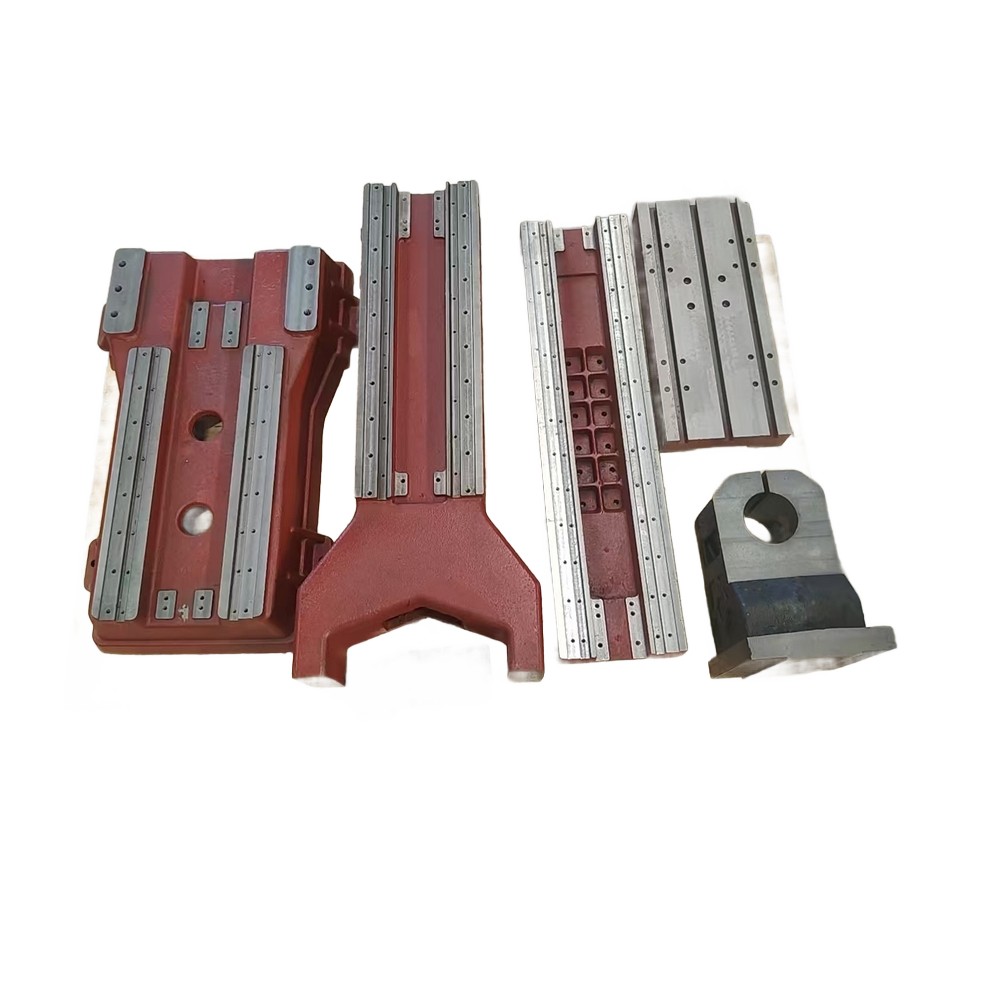 How to Choose a CNC Machine Frame
2026-08-22
A Professional Guide to Selecting CNC Machine Tool Frames: Evaluating and Choosing High-Rigidity, High-Precision, and Hi...
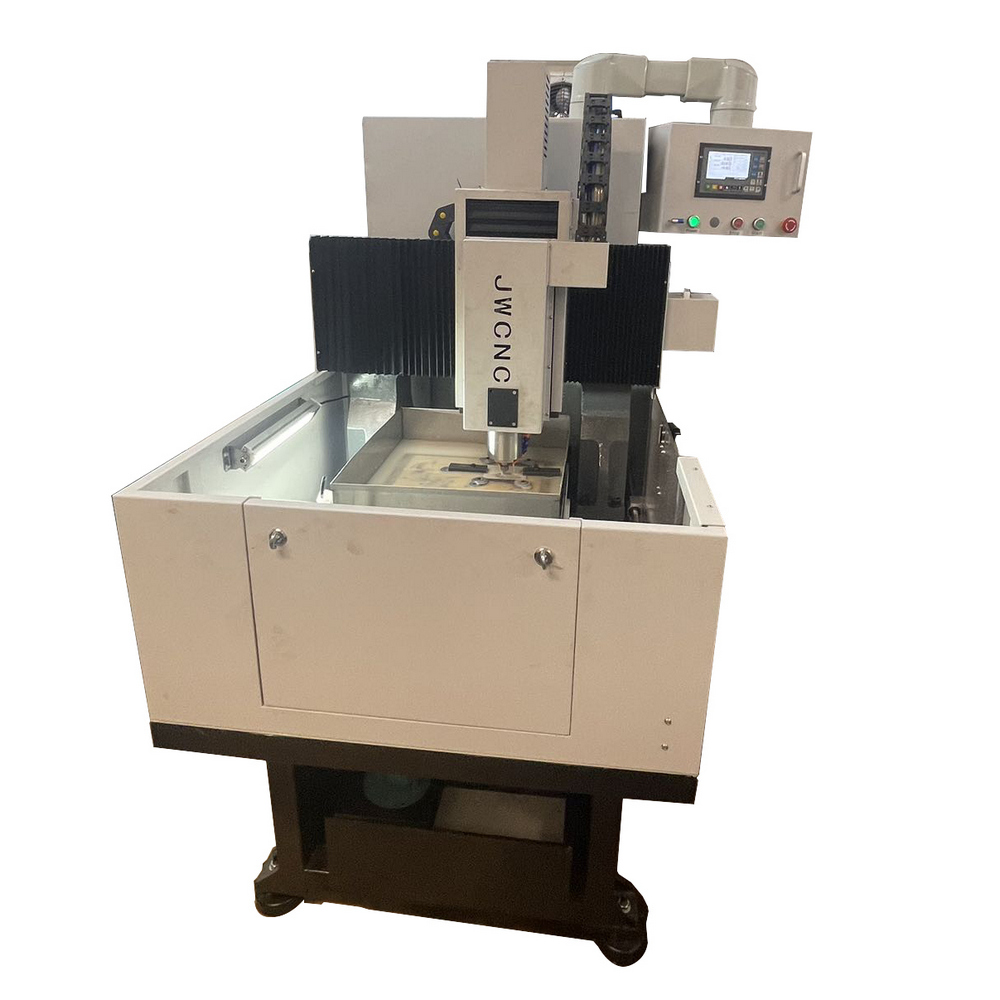 Application and Future Trends of Small CNC Milling Machines in Developing Countries: Focus on South America
2025-05-21
IntroductionSmall CNC (Computer Numerical Control) milling machines have emerged as transformative tools in manufacturin...
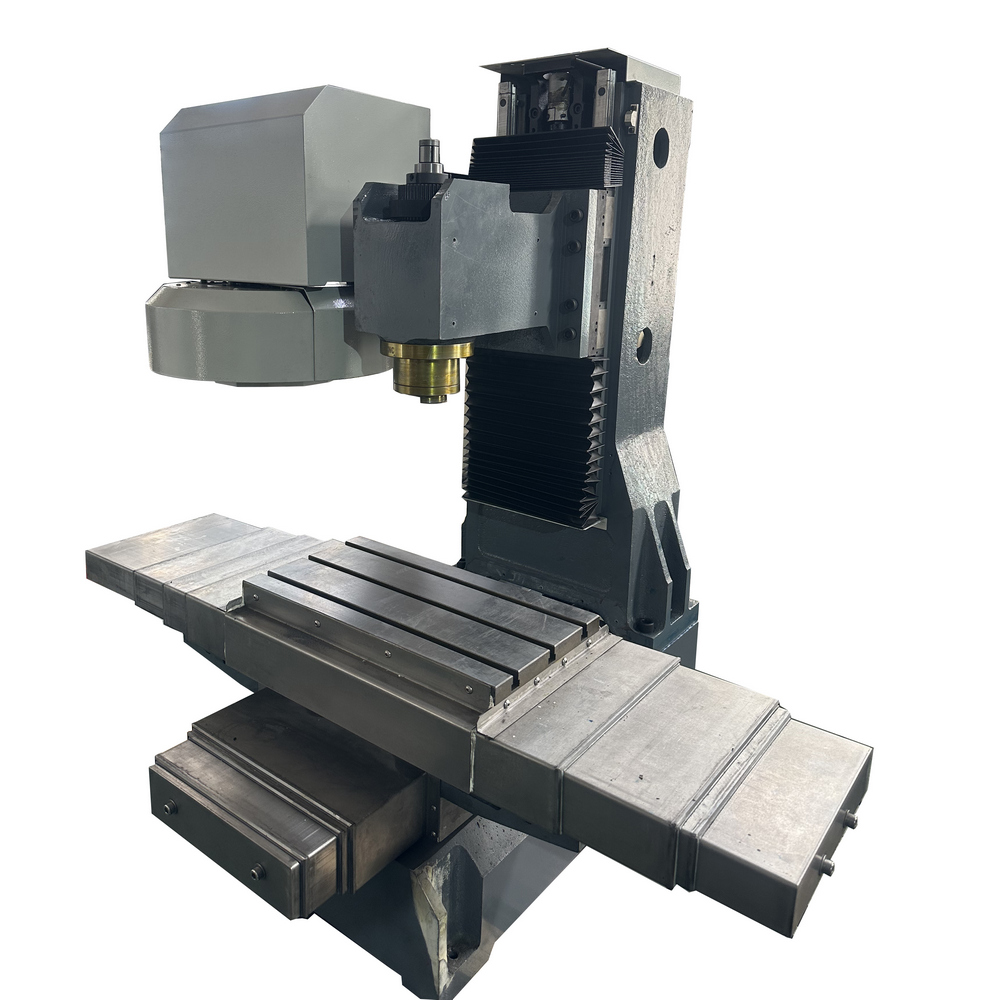 A high-quality CNC small machine starts with a robust frame that is sturdy, stable, and highly precise
2025-05-22
A high-quality CNC small machine starts with a robust frame that is sturdy, stable, and highly precise. The structural p...
 LC-15 Precision CNC Bar Feeder Lathe with Y-Axis, Guide Bushing, Pneumatic Clamping & Cast Iron Bed for Swiss-Type Machining
2026-07-24
Precision Machining Solution: LC-15 CNC Lathe by Zhongshan City Fumida Automation Equipment Co., Ltd.
Please contact us with your request
We are ready to answer your questions.