
Application Tutorial: High-Efficiency Manufacturing of Valve Fittings Using CNC Mill-Turn Machines, Indexing Chucks, and Robotics
Application Tutorial: High-Efficiency Manufacturing of Valve Fittings Using CNC Mill-Turn Machines, Indexing Chucks, and Robotics
Prepared by: Zhongshan City Fumida Automation Equipment Co., Ltd.
Target Application: Production of TEE / T-piece, Y-joint / Y-tee Y, Equal Tee, Reducing Tee, Cross Tee, and Elbow
Objective: Maximize production efficiency, ensure precision, and achieve seamless automation.
Introduction
Manufacturing multi-port and multi-angle fluid control components such as TEE / T-piece, Y-joint / Y-tee Y, Equal Tee, Reducing Tee, Cross Tee, and Elbow traditionally requires multiple setups on different machines (e.g., turning on a lathe, then re-fixturing for milling). This approach introduces cumulative errors, increases cycle times, and demands high labor input.
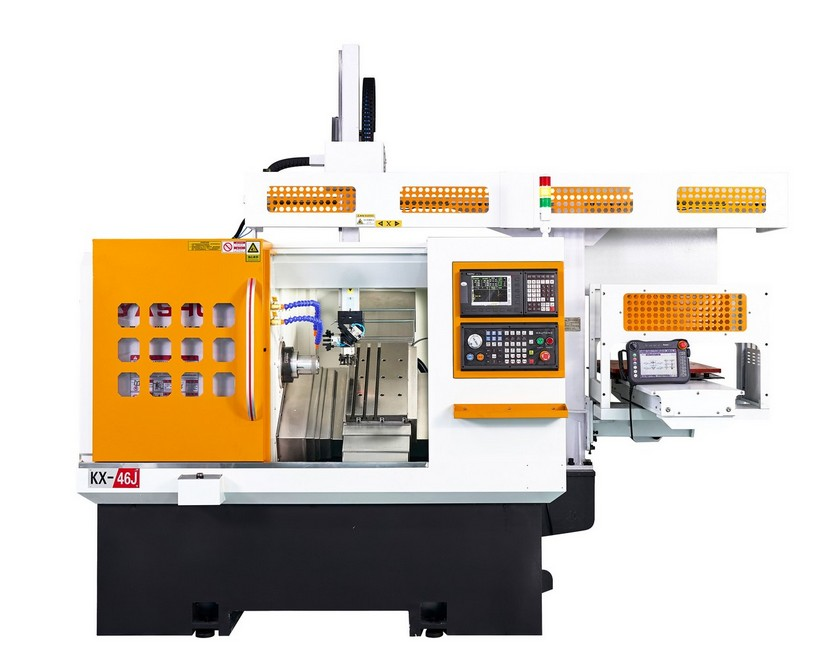
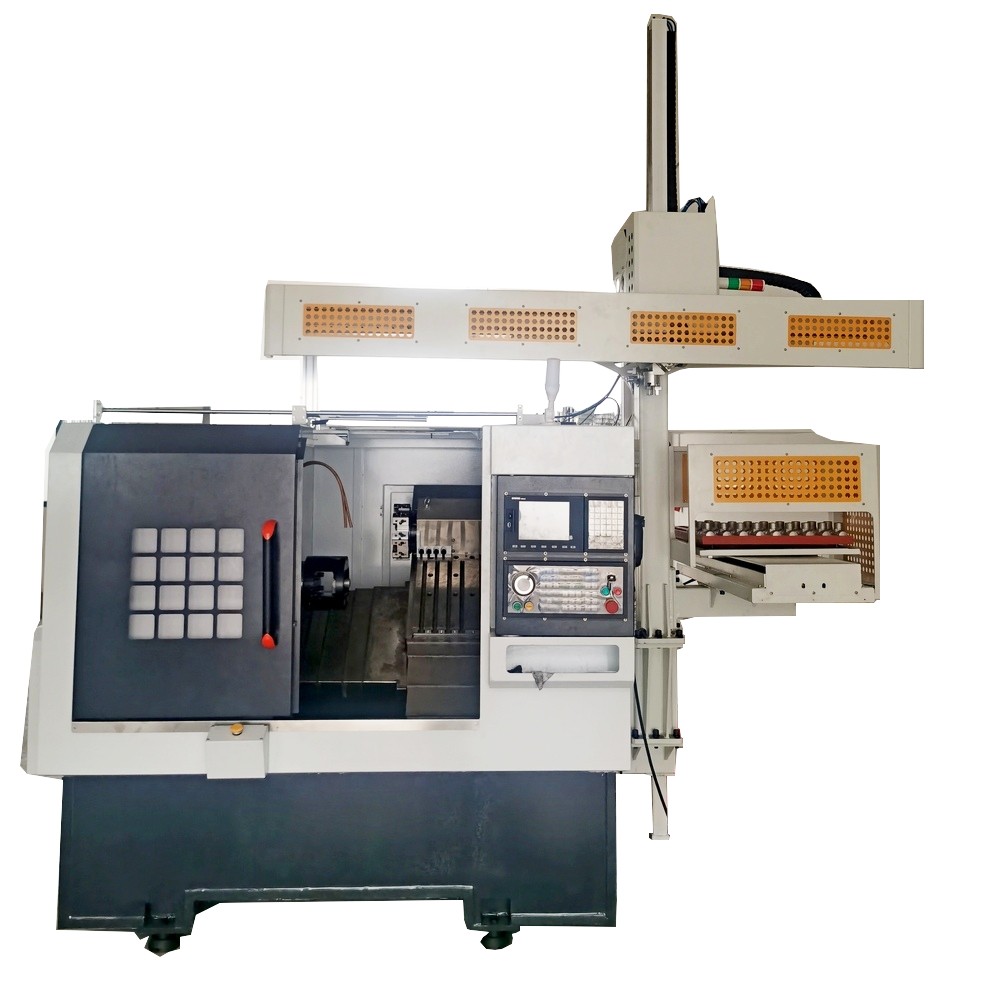
At Zhongshan City Fumida Automation Equipment Co., Ltd., we have developed an optimized manufacturing solution that integrates CNC Mill-Turn Machines, Indexing Chucks, and Robotic Arms. This tutorial outlines the best practices for leveraging this integrated system to achieve high-precision, high-efficiency production in a single clamping.
Core Equipment & Technological Advantages
2.1 CNC Mill-Turn Machine
The mill-turn center is the heart of this production line. It combines turning and milling capabilities in one machine, allowing for complete machining of complex geometries in a single setup.
Key Advantage: Eliminates secondary operations and reduces handling errors.
Application: Ideal for machining the main outer diameter (OD), inner diameter (ID), and face milling of valve bodies.
2.2 Indexing Chuck
Standard chucks only provide rotational movement. An Indexing Chuck adds an orthogonal axis, allowing the workpiece to be precisely positioned at specific angles (e.g., 45°, 90°, 135°) without unclamping.
Key Advantage: Enables machining of perpendicular or angled ports (such as the branch of a tee or cross) in the same setup.
Efficiency Boost: Indexing can be programmed via M-codes and executed during tool changes, minimizing non-cutting time.
2.3 Robotic Arm Integration
To achieve true unattended manufacturing, a robotic arm handles raw material loading and finished part unloading.
Key Advantage: Drastically reduces labor costs and cycle-to-cycle time.
Compatibility: Modern indexing chucks are fully compatible with robotic automation systems, allowing for synchronized operations.
Step-by-Step Manufacturing Workflow
Step 1: CAM Programming & Simulation
Before physical machining, use advanced CAM software (e.g., ESPRIT, Mastercam, or Siemens NX) to program the mill-turn process.
Feature Recognition: Utilize automated CAM features to recognize the ports of the tee/two-way fittings.
Collision Checking: Use simulation software (like VERICUT) to verify that the milling tools, indexing chuck, and robot arm will not collide during complex multi-axis movements.
Post-Processing: Generate optimized, machine-specific G-code that integrates chuck indexing commands (e.g., M96/M97) and robot handshakes.
Step 2: Fixture & Chuck Setup
Custom Jaws: Design custom soft jaws or dedicated fixtures for the indexing chuck to securely hold the specific geometry of the tee or two-way fitting.
Concentricity Check: Ensure the workpiece is perfectly centered. For high-volume production, use precision locating features so the robot can load parts consistently without re-measuring.
Step 3: Automated Machining Process
Robot Loading: The robotic arm picks up a forged or bar-stock blank and loads it into the indexing chuck.
Primary Turning: The mill-turn machine machines the main OD, ID, and end faces.
Chuck Indexing: The chuck indexes 90° (or the required angle) to expose the branch port.
Milling/Drilling: Live tooling mills the branch hole, drills bolt holes, and machines the flange face.
Robot Unloading: Upon completion, the robot unloads the finished part and loads the next blank.
Strategies to Maximize Production Efficiency
To truly optimize the production of tees and two-way fittings, Zhongshan City Fumida Automation Equipment Co., Ltd. recommends the following strategies:
Overlap Operations: Program the indexing chuck to rotatewhile the machine is performing a tool change or while the robot is unloading a part. This hides non-productive time.
High-Pressure Coolant: Utilize high-pressure coolant through the tool to efficiently break and evacuate chips from deep cross-holes in tee fittings, preventing re-cutting and extending tool life.
Standardized Interfaces: Use standardized chuck and robot interfaces to allow quick changeovers between different sizes of tees and two-way fittings.
In-Process Gauging: Install touch-trigger probes in the mill-turn machine to automatically measure critical port diameters and flange runout after machining, ensuring 100% quality control without removing the part.
Conclusion
By combining the multi-tasking capabilities of a CNC Mill-Turn machine, the angular flexibility of an Indexing Chuck, and the relentless pace of a Robotic Arm, manufacturers can transform the production of valve fittings. This integrated approach not only guarantees superior concentricity and positional accuracy but also significantly boosts throughput.
For customized automation solutions, fixture design, or equipment integration, please contact Zhongshan City Fumida Automation Equipment Co., Ltd. We are dedicated to empowering your manufacturing with cutting-edge, high-efficiency technologies.
 How to Choose a CNC System: Complete Buyer’s Guide for 2026
 Application Tutorial: High-Efficiency Manufacturing of Valve Fittings Using CNC Mill-Turn Machines, Indexing Chucks, and Robotics
 Why CNC Machine Vibration Occurs During Machining
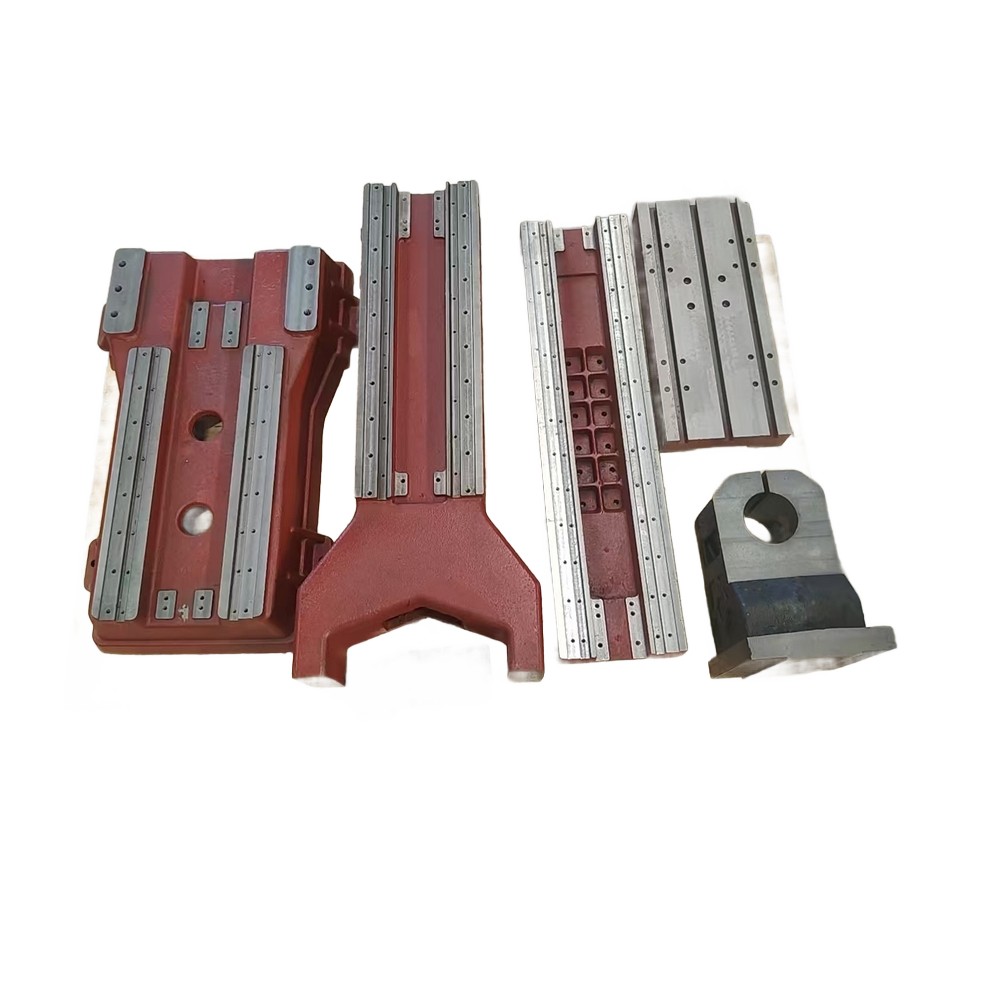 How to Choose a CNC Machine Frame
Please contact us with your request
We are ready to answer your questions.