
A Comprehensive Buyer’s Guide to Selecting Your Ideal CNC Lathe Machine
A Comprehensive Buyer’s Guide to Selecting Your Ideal CNC Lathe Machine
Welcome to Zhongshan City Fumida Automation Equipment Co., Ltd. We understand that purchasing a CNC lathe or turning machine is a significant investment for your manufacturing operations. To ensure you select the perfect equipment tailored to your specific production needs, we have prepared this comprehensive guide. By carefully evaluating the following key parameters, you can make an informed decision that maximizes efficiency and return on investment.
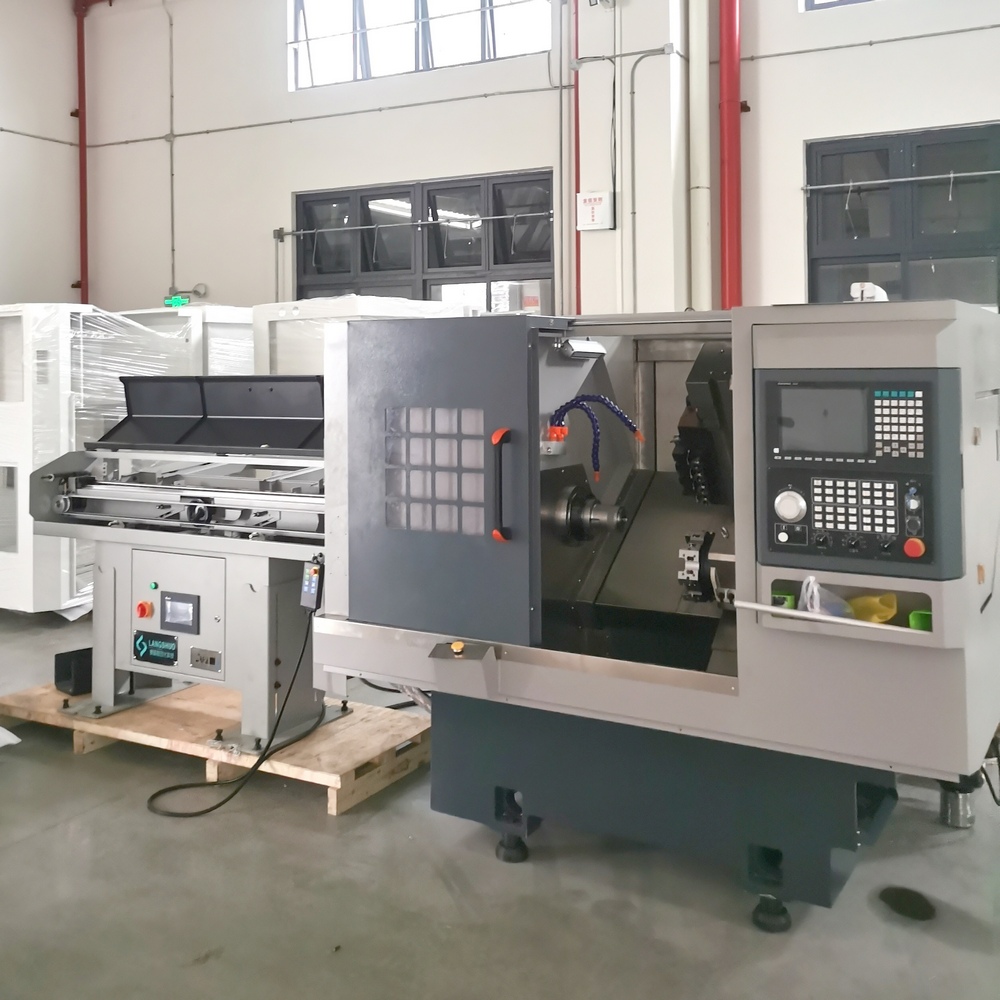
1. What is the required swing diameter?
The swing diameter determines the maximum size of the workpiece that can be accommodated on the machine. It is crucial to measure your largest raw material or finished part to ensure it fits comfortably within the machine's working envelope without interference. Selecting a machine with an adequate swing diameter prevents future bottlenecks and allows for flexibility in handling various project sizes.
2. What is the machining length?
Closely related to the swing diameter, the machining length dictates the maximum longitudinal dimension of the parts you can process. Consider your typical part lengths as well as any potential future projects. Ensuring sufficient Z-axis travel and bed length is essential for accommodating long shafts or extended components without requiring complex repositioning.
3. Do you need a flat bed or an inclined bed?
The bed configuration significantly impacts chip evacuation and operator ergonomics. An inclined bed (typically 45° or 60°) uses gravity to efficiently clear chips away from the cutting zone and workpiece, which is ideal for high-volume production and maintaining surface finish quality. A flat bed, on the other hand, offers easier setup, loading, and unloading, making it suitable for heavier, bulky parts or operations where chip management is less critical.
4. How many stations are required for the tool post?
The number of tool stations directly correlates with your machining complexity and cycle time. For simple parts requiring only a few operations, a 4-station tool post may suffice. However, for complex components requiring multiple turning, drilling, and threading tools, an 8, 10, or 12-station turret is recommended to minimize tool change times and reduce overall production cycles.
5. Is turn-mill compound machining needed? And is a live tool post required?
If your parts require off-center drilling, milling, tapping, or slotting in a single setup, turn-mill compound machining is essential. A live tool post provides powered rotary tools that allow milling operations while the part remains chucked in the lathe. This capability drastically reduces secondary operations, improves positional accuracy between turned and milled features, and streamlines your manufacturing workflow.
6. What type of control system do you prefer? For example, GSK or FANUC.
The control system is the brain of your CNC machine. FANUC is globally recognized for its robust reliability, extensive feature set, and widespread familiarity among operators. GSK offers a highly cost-effective alternative with strong performance for standard machining applications. Your choice should align with your operators' existing skill sets, your budget, and the availability of local technical support and spare parts.
7. Should a chuck or a collet be installed on the spindle?
This decision depends on your workpiece geometry and production volume. A chuck (typically 3-jaw or 4-jaw) is versatile and ideal for holding larger, irregular, or heavy parts. A collet system provides superior concentricity and is perfect for high-volume production of bar stock or small-diameter parts, offering faster loading and unloading times with minimal runout.
8. Is a tailstock needed?
A tailstock is indispensable when machining long, slender shafts that are prone to deflection under cutting forces. It provides essential support at the opposite end of the spindle, ensuring dimensional accuracy and preventing chatter. If your primary work involves short disc-type parts, a tailstock may not be necessary, but for extended shafts, it is a critical safety and precision component.
9. For sea freight, do you prefer door-to-door service or CIF (Cost, Insurance and Freight) to the port?
Logistics play a vital role in your total acquisition cost. CIF to the port means you are responsible for customs clearance, inland transportation, and final delivery from the destination port. Door-to-door service simplifies the process significantly, as the supplier handles all logistics, customs, and delivery directly to your facility. We recommend evaluating your internal logistics capabilities and import experience to choose the most convenient and cost-effective option.
At Zhongshan City Fumida Automation Equipment Co., Ltd., we are committed to providing not just machinery, but complete manufacturing solutions. Please review these questions and share your specific requirements with our engineering team. We are here to help you configure the optimal CNC lathe machine for your success.
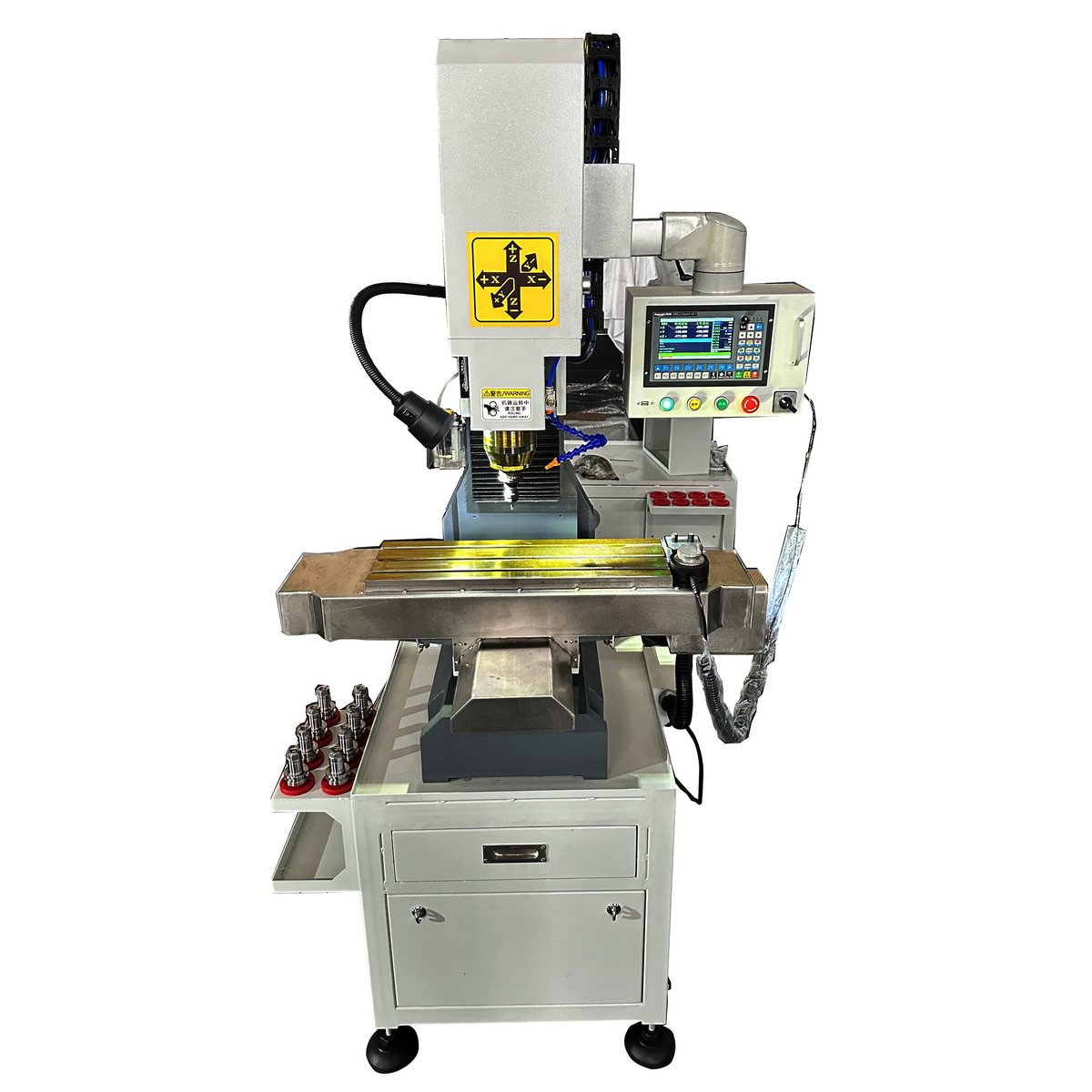 CNC Machining Center X/Y Axis Drifting (Z Axis Correct) – Step-by-Step Troubleshooting Guide
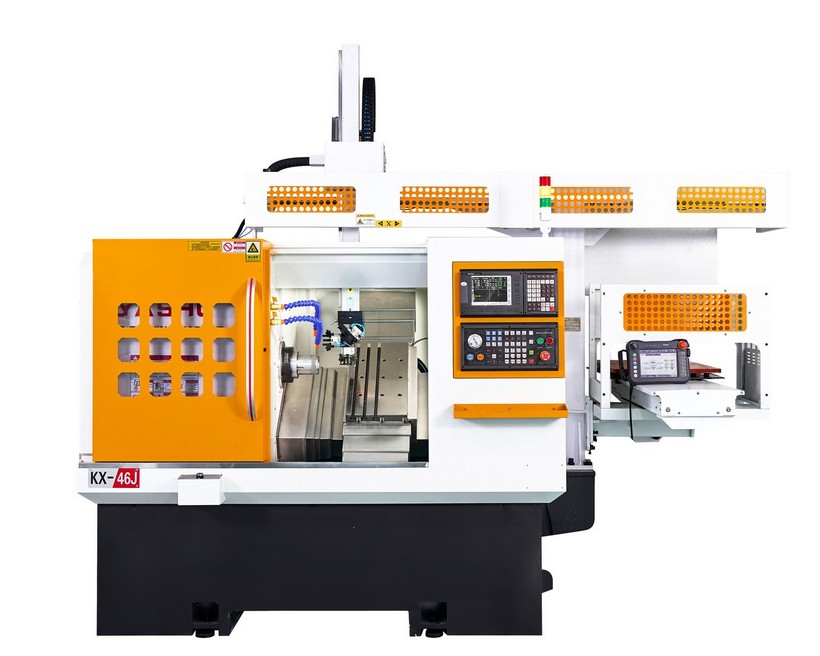 Application Tutorial: High-Efficiency Manufacturing of Valve Fittings Using CNC Mill-Turn Machines, Indexing Chucks, and Robotics
High Precision CNC Machines & Small Machining Centers | Fumida Automation
Application Tutorial: High-Efficiency Manufacturing of Valve Fittings Using CNC Mill-Turn Machines, Indexing Chucks, and Robotics
High Precision CNC Machines & Small Machining Centers | Fumida Automation
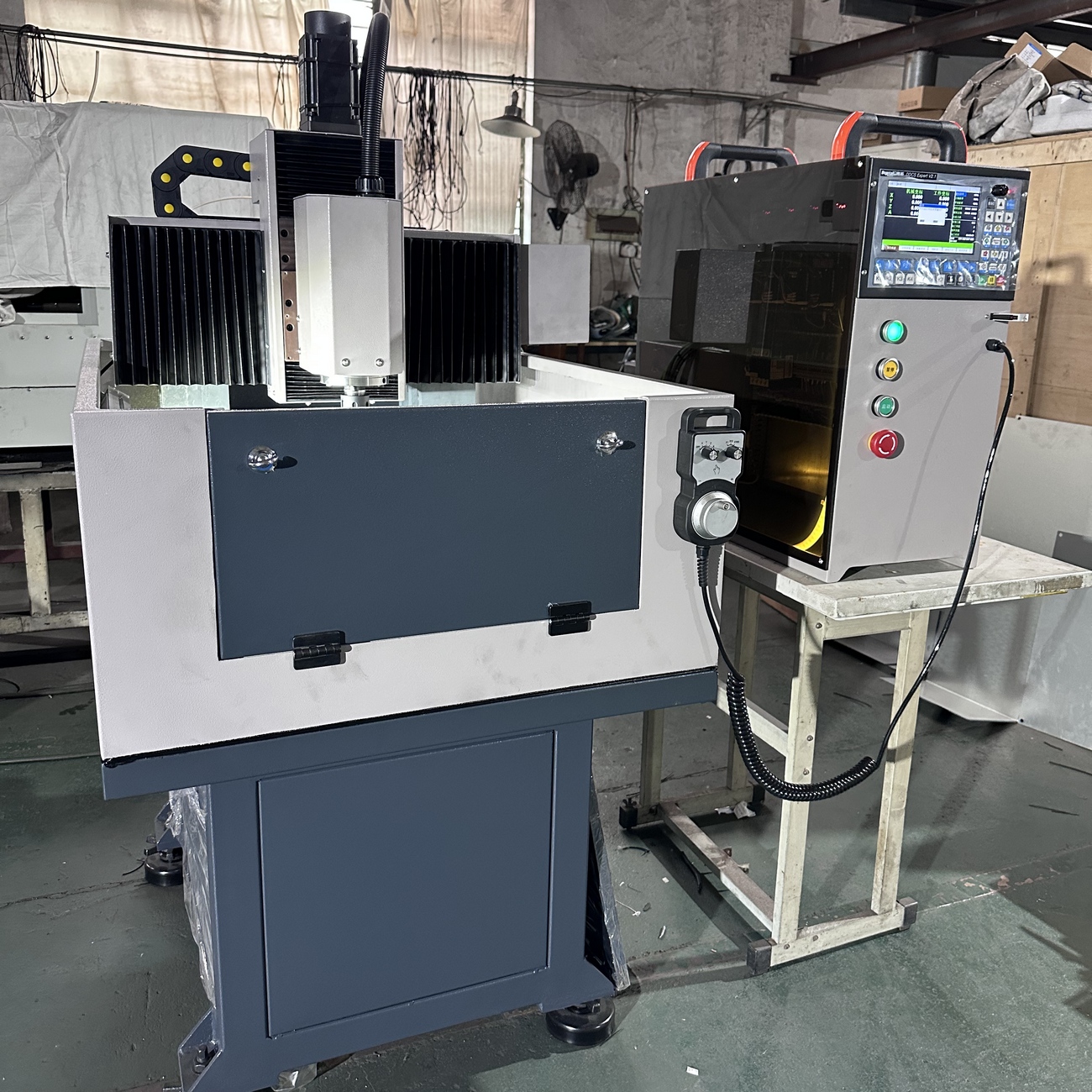 Elevate Horological Artistry with Fumida’s 3040 Guilloché Engraving Machine: Affordable Precision for Custom Watchmaking
Please contact us with your request
We are ready to answer your questions.